
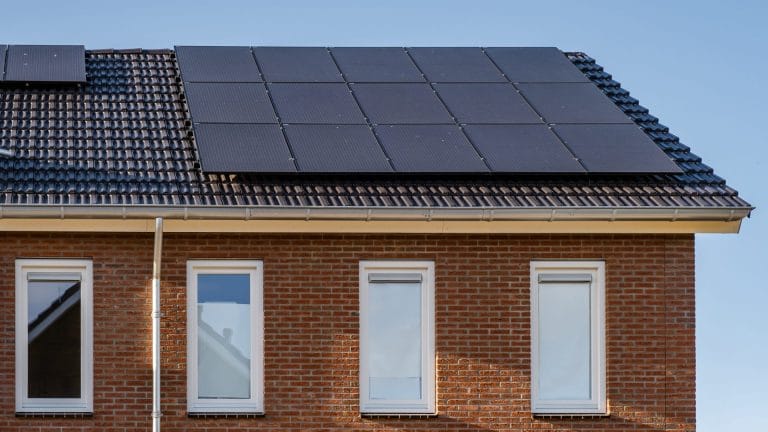
With energy prices remaining a concern for many UK homeowners, more people than ever are considering solar panels as a way to reduce their electricity bills and improve their home’s energy efficiency. One of the most common questions we hear at Three Counties is: How many solar panels will I need to run a house?
The answer depends on several factors, including your household’s energy consumption, the size and efficiency of the solar panels you choose, and the amount of available roof space. In this guide, we’ll explain how solar panel systems are sized and help you estimate how many panels your home may need.
Understanding Your Energy Usage
The first step in determining how many solar panels you need is understanding how much electricity your household consumes.
According to Ofgem, the average UK household uses between 2,700 and 4,100 kWh of electricity per year, depending on the number of occupants and energy habits. Larger households with multiple occupants, electric vehicles, or high energy usage will typically consume more electricity than smaller homes.
Your annual electricity consumption can usually be found on your energy bills or through your energy supplier’s online account portal.
How Much Electricity Does a Solar Panel Produce?
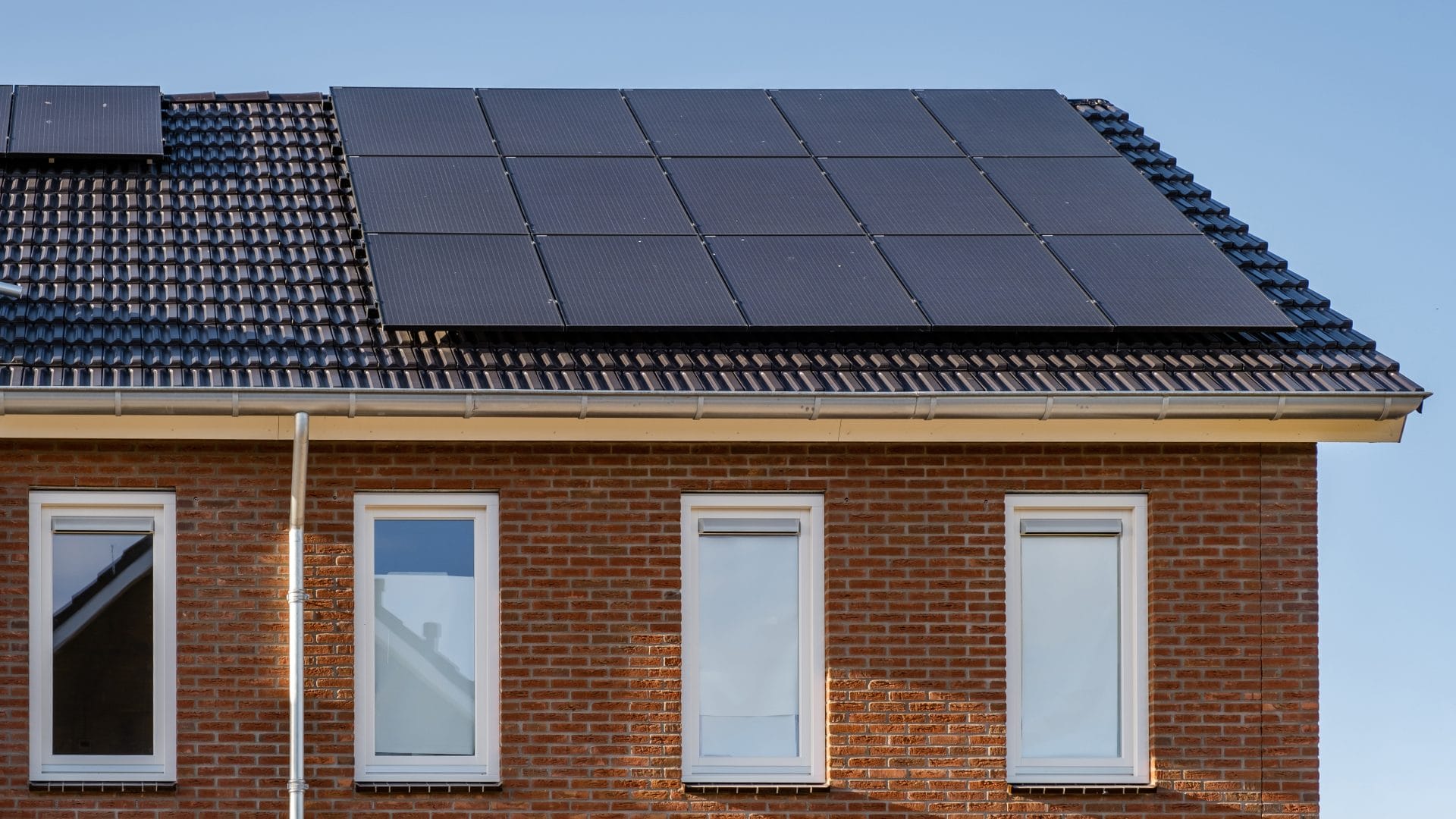
Modern solar panels are far more efficient than they were a decade ago. Most residential solar panels installed in the UK today have outputs ranging from 400W to 450W per panel.
Under typical UK conditions, a single high-efficiency solar panel can generate approximately 350 to 450 kWh of electricity per year, depending on factors such as location, roof orientation, shading, and weather conditions.
This means that the number of solar panels required will vary from one property to another.
Typical Number of Solar Panels for a UK Home
As a general guide:
- A small household using around 2,700 kWh per year may require approximately 6 to 8 solar panels.
- A medium-sized household using around 3,500 kWh per year may require 8 to 10 solar panels.
- A larger household using 4,500 kWh or more may need 10 to 14 solar panels or more.
Most domestic solar panel systems in the UK range from 3kW to 6kW in size, depending on energy requirements and available roof space.
For many homeowners, a system consisting of around 10 high-performance solar panels can generate a significant proportion of their annual electricity needs.
Factors That Affect the Number of Solar Panels You Need
Roof Size and Available Space
One of the biggest considerations is how much roof space you have available. Modern solar panels are typically around 1.7 to 2 square metres in size.
A standard installation of 10 panels may require approximately 18 to 20 square metres of roof space. Larger systems will naturally require more room.
Roof Orientation and Pitch
The direction your roof faces can have a major impact on solar panel performance.
South-facing roofs generally provide the highest energy generation in the UK, although east- and west-facing roofs can still deliver excellent results. Roof pitch also affects efficiency, with angles between 30 and 40 degrees often providing optimal performance.
Shading
Trees, neighbouring buildings, chimneys, and other obstructions can reduce the amount of sunlight reaching your solar panels. Minimising shading helps maximise electricity generation and may reduce the number of panels required to achieve your desired output.
Energy Consumption Habits
Every household uses electricity differently. If you work from home, regularly use high-energy appliances, or own an electric vehicle, your electricity demand may be significantly higher than average.
A professional solar survey can assess your usage patterns and recommend a system that matches your requirements.
Can Solar Panels Power an Entire House?
In many cases, solar panels can generate enough electricity to cover a substantial portion of a home’s annual energy consumption. However, because solar panels only generate electricity during daylight hours, most homes remain connected to the National Grid.
Many homeowners choose to install a battery storage system alongside their solar panels. Solar batteries store excess electricity generated during the day, allowing it to be used during the evening or on cloudy days. This can increase energy independence and improve overall savings.
The combination of solar panels and battery storage can significantly reduce reliance on grid electricity and help homeowners make the most of their renewable energy system.
Benefits of Installing Solar Panels
Installing solar panels offers a wide range of advantages for homeowners, including:
- Reduced electricity bills
- Lower carbon emissions
- Increased energy independence
- Protection against rising energy costs
- Potential increase in property value
- Low maintenance requirements
- Long-term return on investment
Modern solar panels are designed to provide reliable performance for decades, making them a smart investment for many households.
Find the Right Solar Panel System for Your Home
The exact number of solar panels needed to run your house will depend on your energy usage, roof size, property location, and long-term goals. While average households typically require between 8 and 12 panels, every home is different.
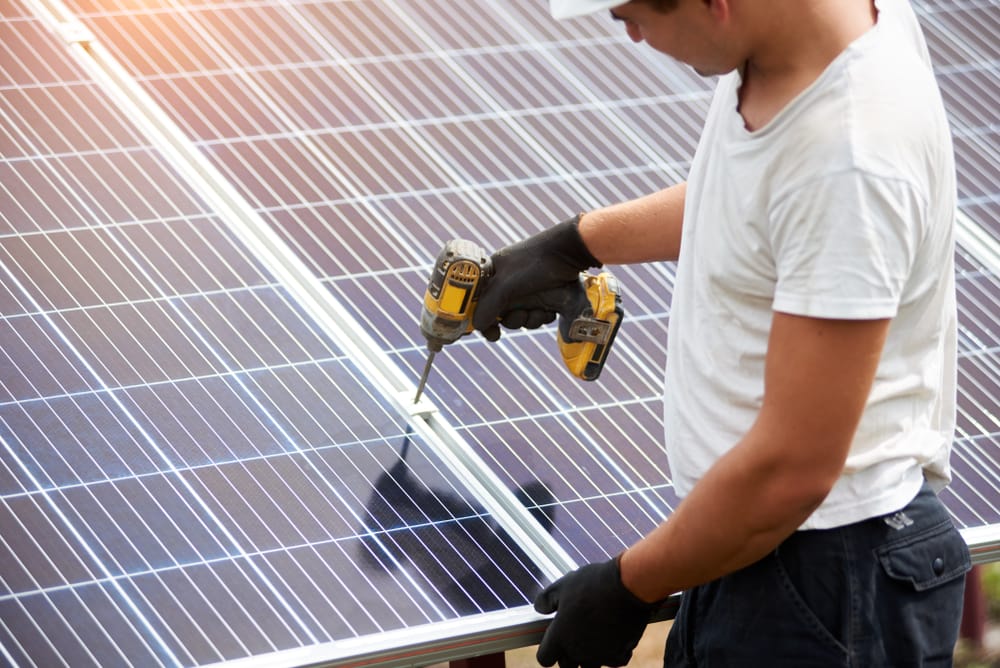
At Three Counties, our experienced team can provide a professional assessment of your property and recommend a solar panel system tailored to your needs. From initial design through to expert installation, we’re here to help you make the switch to cleaner, more affordable energy.
Contact Three Counties today to arrange a free solar consultation and discover how much you could save with a bespoke solar panel installation.

- How Many Solar Panels Will I Need to Run a House? - June 11, 2026
- Are Aluminium Windows Better Than uPVC Windows? - June 11, 2026
- Expert Orangery Design & Installation for Modern Homes - May 21, 2026