
As energy costs continue to rise and environmental concerns grow, more homeowners across Camberley, Fleet, and the wider Three Counties region are turning to solar power. But how exactly do solar panels work? If you’ve ever looked at a rooftop covered in sleek black panels and wondered what’s happening behind the scenes, this guide breaks it down in a clear and practical way.
The Basics: Turning Sunlight into Electricity
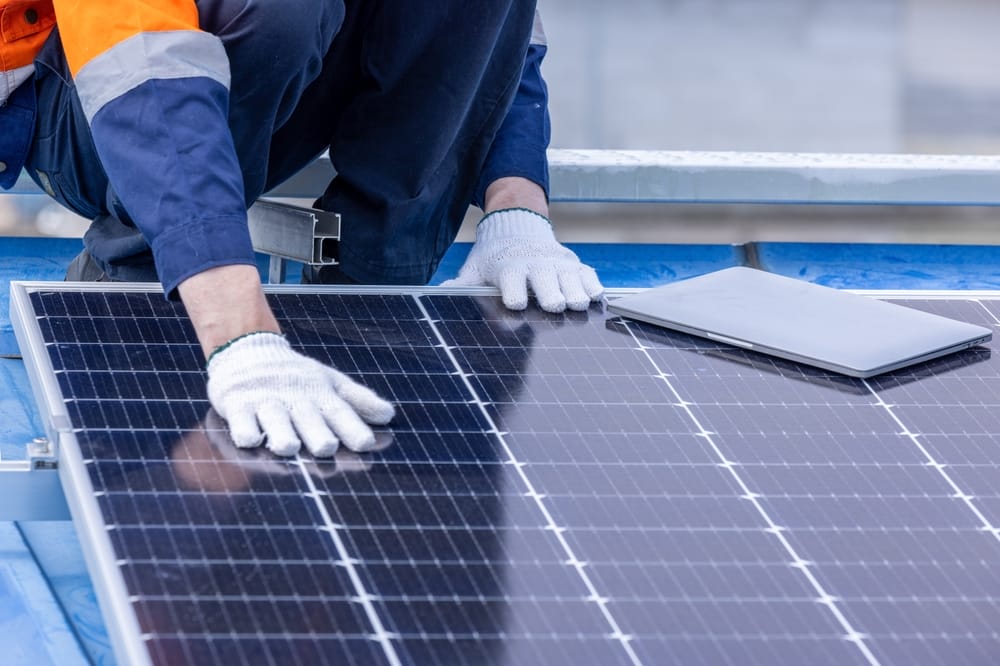
At their core, solar panels convert sunlight into electricity using a process called the photovoltaic (PV) effect. Each solar panel is made up of many smaller units called solar cells, typically composed of silicon. When sunlight hits these cells, it excites electrons, causing them to move and generate an electric current.
This electricity is produced in the form of direct current (DC), but your home runs on alternating current (AC). That’s where the inverter comes in.
The Role of the Inverter
The inverter is a crucial part of any solar panel system. It converts the DC electricity generated by the panels into AC electricity that your home appliances can use. Without this step, the energy produced by your panels wouldn’t be compatible with your home’s electrical system.
Modern systems often include smart inverters that allow you to monitor energy production in real time through an app, giving homeowners in areas like Camberley and Fleet more control over their energy usage.
Powering Your Home
Once converted into usable electricity, the energy flows into your home’s electrical system. It powers everything from your fridge and lighting to your heating systems. If your solar panels produce more electricity than you need at any given time, the excess energy can either be stored or exported.
What Happens to Extra Energy?
There are two main options for excess electricity:
- Battery Storage: With a solar battery, you can store unused energy generated during the day and use it at night or during cloudy periods. This increases your energy independence and reduces reliance on the grid.
- Exporting to the Grid: If you don’t have a battery, surplus energy can be sent back to the national grid. In the UK, schemes like the Smart Export Guarantee (SEG) allow homeowners to earn money for this exported electricity.
Do Solar Panels Work in the UK Climate?
A common misconception is that solar panels only work in sunny climates. In reality, solar panels rely on daylight, not just direct sunlight. Even on cloudy days—common in the Three Counties region—panels can still generate electricity, although at a lower efficiency.
In fact, solar panels can perform better in cooler temperatures, making the UK a surprisingly suitable environment for solar energy systems.
Installation and Placement
For homeowners in Camberley and Fleet, roof orientation and angle play an important role in efficiency. South-facing roofs typically receive the most sunlight throughout the day, but east- and west-facing roofs can still be effective.
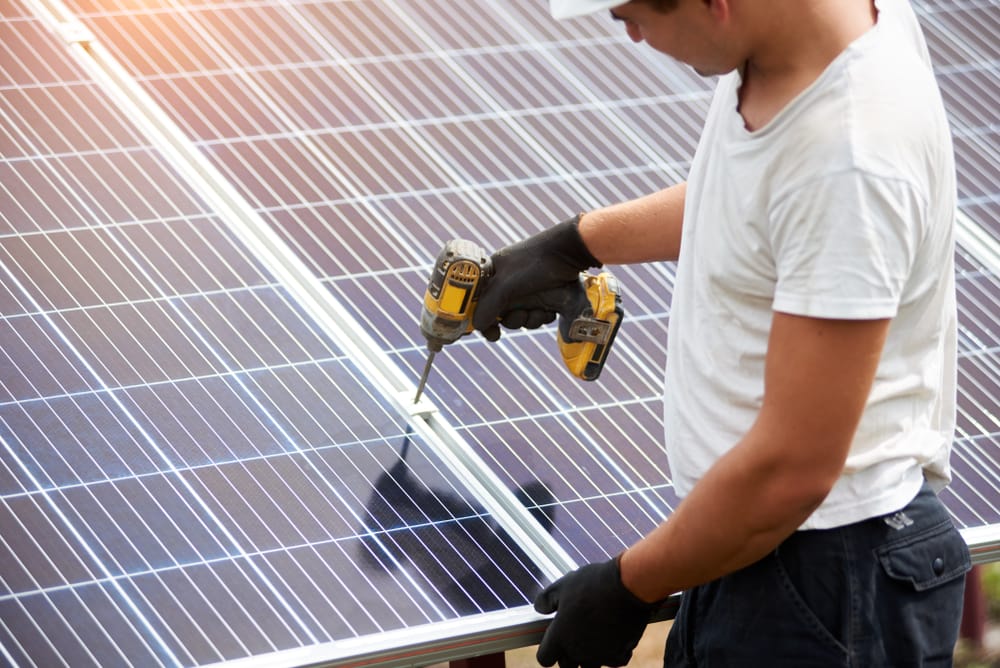
Professional installers will assess your roof’s size, angle, shading, and structural condition before recommending a system tailored to your property.
Benefits Beyond Savings
While reducing energy bills is a major advantage, solar panels also contribute to lowering your carbon footprint. By generating clean, renewable energy, you’re helping reduce dependence on fossil fuels.
Additionally, properties with solar installations are often more attractive to buyers, potentially increasing property value in competitive local markets.
Solar panels are a smart, sustainable investment for homeowners across Camberley, Fleet, and the surrounding Three Counties. By harnessing the power of sunlight and converting it into usable electricity, they offer a practical way to cut energy costs and reduce environmental impact.
If you’re considering making the switch, understanding how solar panels work is the first step toward a more energy-efficient future.

- How Many Solar Panels Will I Need to Run a House? - June 11, 2026
- Are Aluminium Windows Better Than uPVC Windows? - June 11, 2026
- Expert Orangery Design & Installation for Modern Homes - May 21, 2026