
Condensation on your windows can be a worrying sign, hinting at potential issues in your home. At Three Counties, we understand your concerns, and we’re here to help you decipher what this common household occurrence really means for your windows.
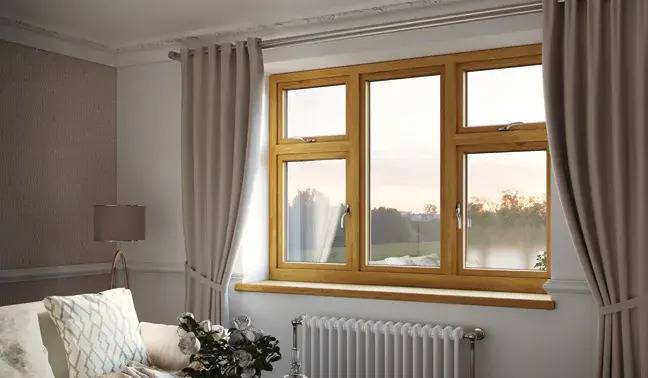
Understanding Condensation
Condensation forms when warm, moist air comes into contact with cooler surfaces, turning the water vapour in the air back into liquid. This often happens on windows because they are typically cooler than the air inside your home. While it’s a common phenomenon, particularly during colder months, persistent condensation can sometimes indicate underlying issues that might require attention.
Internal vs External Condensation
Internal Condensation occurs on the inside of your windows. It can be a sign of high humidity levels in your home. This might be due to everyday activities like cooking, showering, or drying clothes indoors. Keeping your property adequately ventilated and managing humidity through strategic use of extractor fans and dehumidifiers can often mitigate this issue.
External Condensation forms on the outside of your glass, a typical feature in homes with highly energy-efficient windows, such as those with low-emissivity (low-E) coatings. This type of condensation is more common in the early morning and doesn’t indicate a defect; rather, it shows that your windows are effectively preventing heat transfer, keeping your home warm.
Condensation Between Panes is a potential cause for concern, often indicating a failure in the window’s sealed unit. This might mean that the insulating gas has escaped, reducing the thermal efficiency of the window, and might require a window replacement to address the issue properly.
When to Consider Replacement
If you notice condensation between the panes of your glazing, it could suggest that the sealant designed to keep your windows airtight has failed. In this scenario, moisture is entering the space between the panes, and the windows are no longer performing optimally. This not only affects visibility due to fogging and moisture but also impacts the insulation properties of your windows, potentially leading to higher heating bills.
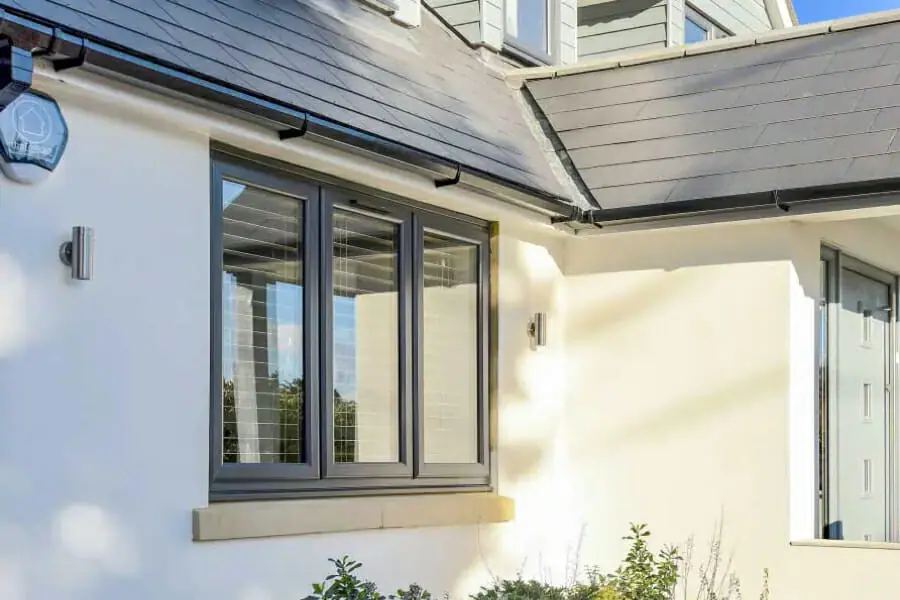
At Three Counties, we offer a range of replacement windows that incorporate advanced technology, such as A-rated energy-efficient uPVC windows that provide superior insulation and help maintain optimal indoor air quality. Our products, including PVC-U Windows, Aluminium Windows, Timber Alternative Windows, and many others, are designed to reduce condensation and enhance energy efficiency.
Taking Action Against Condensation
Before deciding to replace your windows, consider the following steps to reduce indoor humidity levels:
– Utilize kitchen and bathroom exhaust fans.
– Avoid air-drying laundry indoors where possible.
– Install a dehumidifier in areas prone to dampness.
– Ensure your home is well-ventilated; consider trickle vents or keep a small window ajar to improve air flow.
Should these measures not suffice and you continue to see condensation between the panes, it might be time to consider replacement. Getting in touch with professionals like us at Three Counties can provide you with the expertise and guidance you need. We offer a free consultation to assess your windows and propose solutions tailored to your specific needs.
Get a Quote Today
If you’re experiencing ongoing issues with condensation and it’s impacting your comfort at home, don’t hesitate to get in touch. We’re here to help you determine whether your current windows require repair or replacement, ensuring your home remains warm, inviting, and efficiently insulated.

- Prepare Your Home for Winter with Energy Efficient Windows and Doors - October 13, 2026
- Does Condensation Mean I Need New Windows? - September 8, 2026
- Are Composite Doors Worth the Extra Money? - September 8, 2026