
At Three Counties we help homeowners across the region understand whether their roof is ready for solar. Installing panels is a great way to reduce energy bills and lower carbon emissions, but not every roof is ideal. Here is a straightforward guide to the main factors we check when assessing suitability.
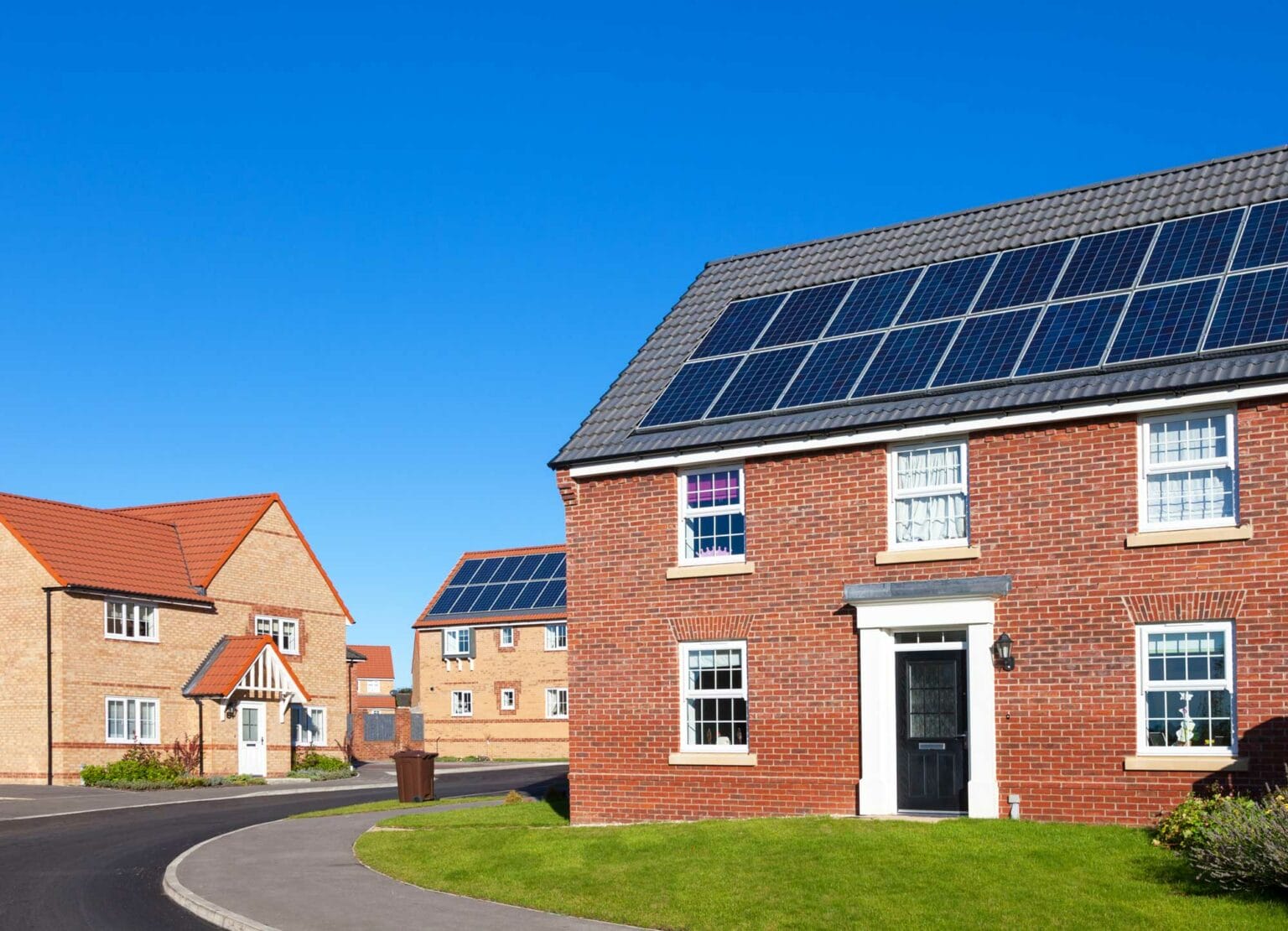
Roof age and condition
The condition of your roof is one of the first things we consider. Solar panels are a long term investment and it makes sense to have a roof that will last for the lifespan of the system. Older roofs with loose or missing tiles, or roofs near the end of their useful life, are best repaired or replaced before panels go up. Our team can inspect your roof and advise whether any remedial work is advisable prior to installation. If you would like a professional inspection get in touch and we can arrange a visit.
Roof material and structure
Many common roof materials are suitable for solar panels. Concrete tiles, clay tiles, slate and standing seam metal roofs all work well. Some materials require specific fixing kits so it is important to know the construction type. Flat roofs can accommodate panels too, usually mounted on frames to achieve the correct angle. Structural strength matters because panels add weight and wind loading. We carry out a structural check as part of our site survey to ensure everything is safe and compliant.
Orientation and pitch
The ideal roof faces south as that maximises solar gain, but roofs facing east or west can deliver excellent results too. The roof pitch affects how much sunlight the panels receive. Around 30 to 40 degrees is often near optimal in the UK, but we can install effective systems on shallower or steeper roofs. If your roof has multiple aspects or pitches we will model expected output so you understand likely performance.
Shading and surroundings
Shading is the enemy of solar performance. Nearby trees, tall neighbouring buildings or chimneys can cast shadows that reduce energy generation. Even partial shading can have a disproportionate effect unless equipment is chosen to mitigate it. We use shading analysis during surveys to identify problem areas and to recommend panel placement or technology that helps maintain output. If trees are the issue you may want to consider pruning or trimming where possible.
Available area and layout
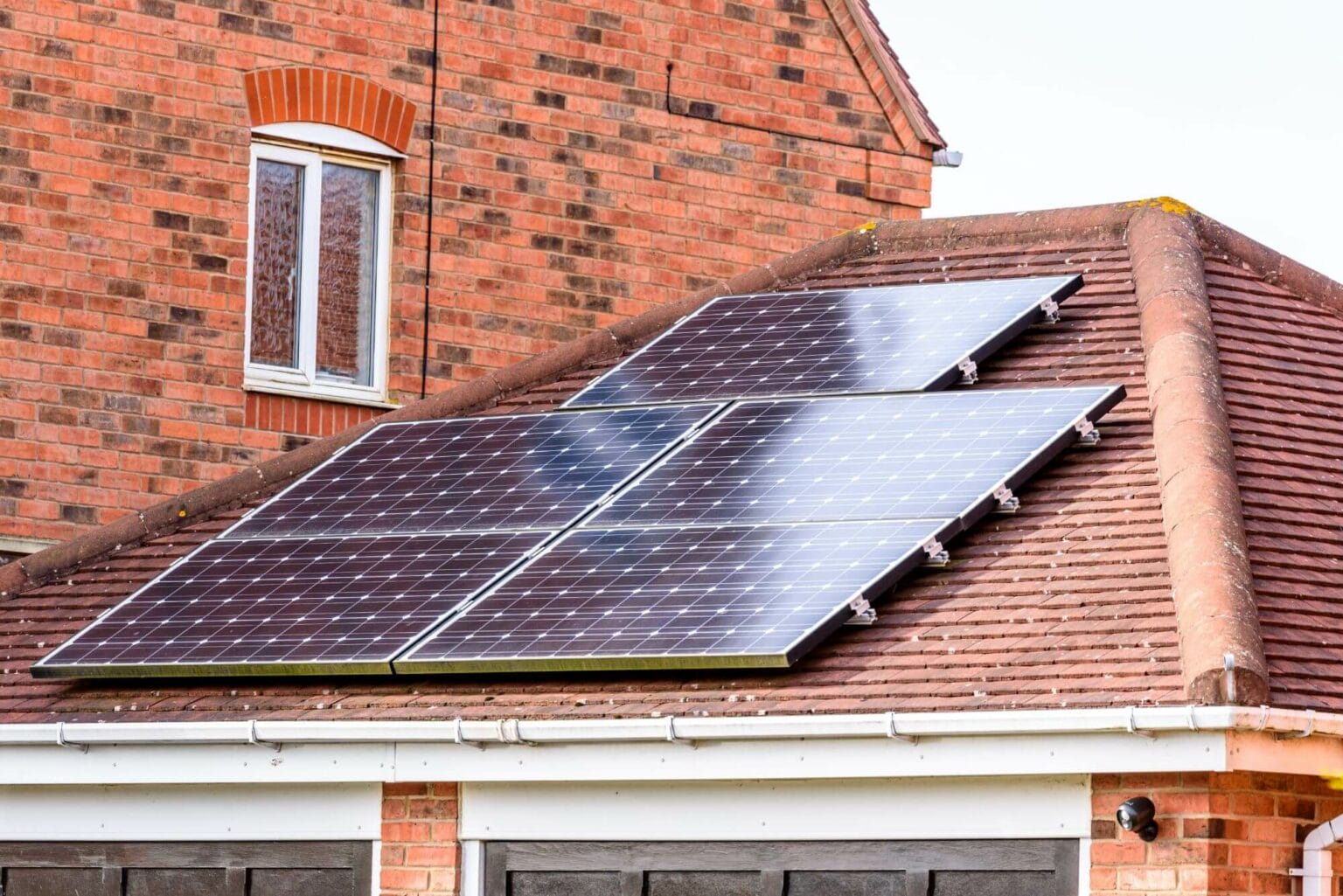
You need enough uninterrupted roof space to accommodate the number of panels required to meet your energy goals. Roof features such as skylights, vents and chimneys reduce usable area and can complicate layout. We plan the array to make best use of available space while keeping neat aesthetics. If your roof cannot host a large enough system we can discuss options such as partial arrays or ground mounted panels if space permits.
Planning and local rules
In most cases domestic solar installations fall under permitted development and do not need planning permission. There are exceptions however, for example on listed buildings or in conservation areas. It is wise to check with your local authority if you think restrictions may apply. Our team can advise on likely requirements as part of a free initial conversation.
Next steps
If you think your roof might be suitable and would like a no obligation assessment, please get in touch. We offer site surveys and clear quotations so you can decide with confidence. To get a quote or to learn more about solar options look on our website or contact the Three Counties team today. We are happy to answer your questions and guide you through the whole process.

- Is Solar Worth It In The UK In 2026? - March 6, 2026
- 7 Signs It’s Time To Replace Your Windows - March 6, 2026
- How to Know If Your Roof Is Suitable for Solar Panels - February 16, 2026